
Government Should Focus on What Actually Matters
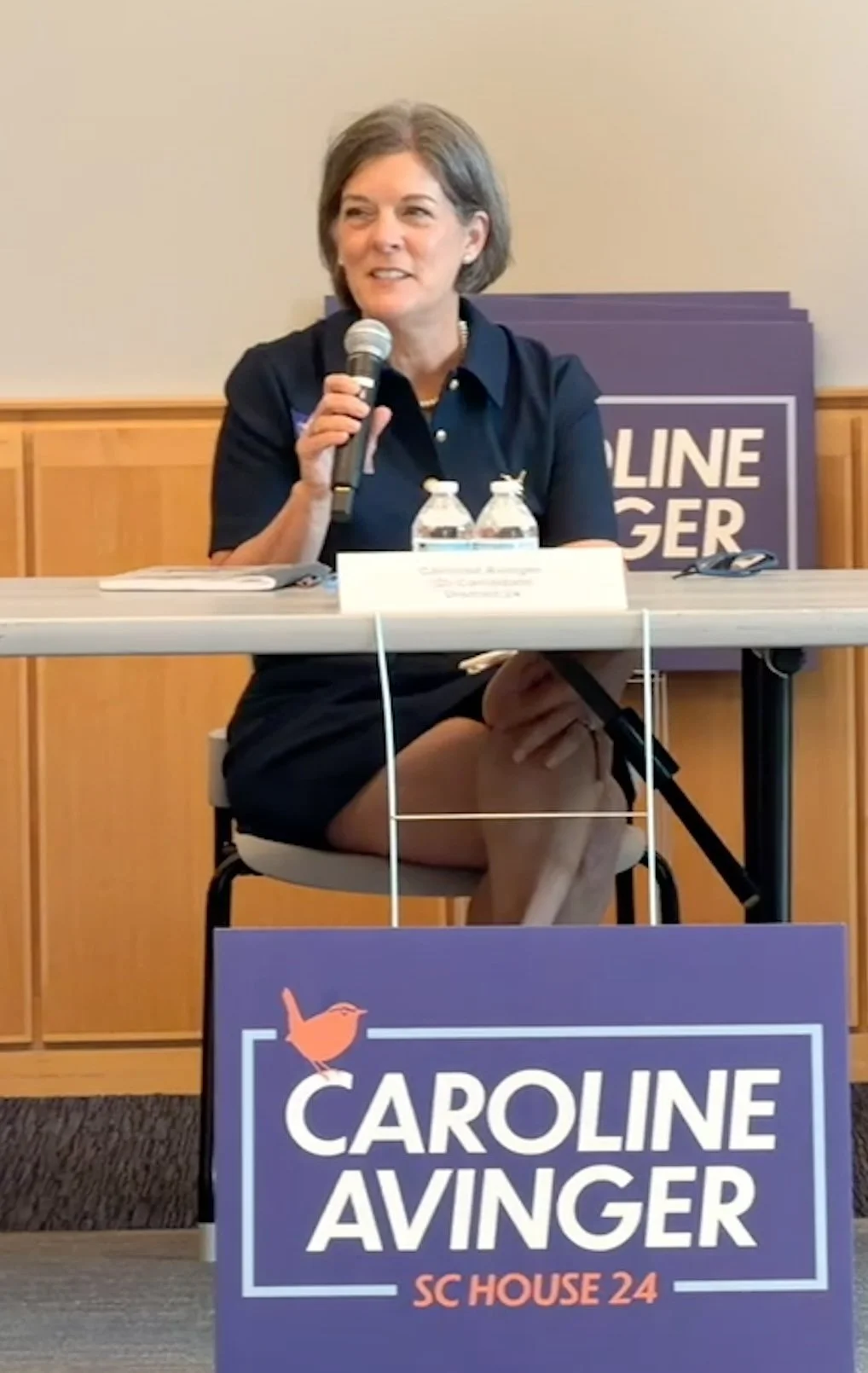
District 24 and South Carolina as a whole are dealing with rising costs, housing pressures, failing infrastructure, healthcare instability, and challenges in public education. Those realities have consistently taken a back seat to legislation designed to generate headlines, score political points, or protect political careers.
Public service should be measured by whether people’s lives are improving, whether communities are functioning well, and whether government is addressing the issues people actually face every day.
South Carolina needs leadership that is engaged, accessible, informed, and focused on practical results rather than constant political performance.
My Priorities:
-
What students need for success after graduation is broader than test scores.
Every student should leave school prepared for what comes next — college, technical training, military service, or the workforce. That means strong academics, but it also means practical preparation: financial literacy, civics, communication skills, and pathways that reflect the real opportunities available in South Carolina.Strong schools start with strong teachers.
We do not need to treat teachers like the problem. We need to trust them as professionals and give them the support to do their jobs well. Right now, we are asking teachers to shoulder more responsibility with less support, more scrutiny, and increasing frustration.Teachers deserve professional respect and the freedom to teach effectively. They also deserve compensation that reflects the importance of the job. While teacher pay has increased in recent years, many educators still cannot afford a substantially better quality of life, particularly as housing, insurance, and everyday costs continue to soar.
Public Dollars Should Serve Public Schools
Public funds for education also require accountability. Expanding programs without clear guardrails risks diverting resources away from the public schools that serve the overwhelming majority of South Carolina students.Bottom Line: South Carolina should focus on strengthening public education by improving teacher retention, supporting classroom resources, and reducing unnecessary interference from people far removed from the realities of today’s classrooms.
-
People Who Work Here Should Be Able to Live Here
Across Greenville and the rest of South Carolina, housing costs have risen beyond what many people can reasonably afford. Teachers, first responders, healthcare workers, hospitality staff, and small business employees are finding it harder to remain in the communities they serve.Young people who grew up here and want to return are finding that increasingly difficult without significant financial help or unsustainable housing costs.
Higher Property Values Do Not Solve Affordability
Rising property values look impressive on paper, but a house increasing in value is only helpful if people can still afford to live where they already are. For many families, selling a home today does not create financial freedom. It simply means entering another market that has become just as unaffordable.Housing Affordability Is a Community Issue
When housing becomes unattainable, communities lose the very people who keep them functioning. This is not simply a question of growth. It is a question of whether growth is creating a community that remains livable for the people who work here, raise families here, and contribute to the local economy.We need practical solutions that increase the supply of attainable housing using the tools already available to us. That includes supporting the development of smaller homes, using land more strategically, and working with local communities to expand housing options that reflect the realities of working South Carolinians.
-
People Should Be Able to Afford Healthcare
Across the state, families are trying to keep up with healthcare costs that are increasingly difficult to predict. Seniors are making decisions based on coverage instead of care. Families are having to choose who gets coverage and who does not. People living with disabilities are navigating systems that are cumbersome, expensive, and inconsistent. Small businesses and independent workers are struggling with costs that larger companies can absorb more easily.South Carolina Should Expand Access to Affordable Care
In the face of mounting financial pressure, South Carolina has continued to reject available federal funding that could expand Medicaid coverage and reduce some of the burden on working families, hospitals, providers, and communities across the state.We should be focused on practical ways to expand access to affordable, consistent healthcare, strengthen community and rural providers, reduce unnecessary coverage gaps, and create a system that people can realistically navigate and afford.
When we cannot access consistent, affordable healthcare, the consequences reach far beyond a doctor’s office. They affect individual health, family financial stability, business viability, and the overall well-being of entire communities.
South Carolinians are also paying close attention to issues that affect personal autonomy, public safety, medical privacy, and the stability of their communities. These conversations deserve seriousness, compassion, practicality, and leadership that is based in real-world consequences rather than political performance.
Women Should Be Trusted to Make Personal Healthcare Decisions
Decisions involving pregnancy, miscarriage care, contraception, and reproductive healthcare are deeply personal, medically complex, and sometimes heartbreaking. They should be made by women and their physicians, not by politicians acting as surrogate doctors without medical training or firsthand understanding of the situations they are legislating.Increasingly, we see lawmakers insert themselves into some of the most private, precarious, and devastating moments in a woman’s life while making broad claims about women’s bodies and healthcare that are often medically inaccurate, oversimplified, or just plain uninformed.
South Carolina also continues to face critical problems in maternal healthcare access, particularly in rural and underserved communities. If we are serious about protecting life and supporting families, then women need consistent access to healthcare, physicians, prenatal care, postpartum care, contraception, and medically sound treatment.
What they don’t need is legislation designed primarily for political positioning.
This campaign is powered by people like you.
Contribute now to build a better District 24.